
Shipping a vehicle can be a practical solution when moving to another state, purchasing a car from a distant seller, relocating for work, or arranging transportation for a family member. Instead of driving hundreds or thousands of miles, you can arrange professional auto transport and let a suitable vehicle carrier handle the journey.
At CanyonPath Car Transport, we help customers explore vehicle transportation options, including open car transport, enclosed car transport, door-to-door auto transport, and state-to-state shipping. Understanding the process can help you plan ahead, compare options, and prepare your vehicle for transportation.
Step 1: Request an Auto Transport Quote
The process generally begins with a quote request. You will usually need to provide your vehicle’s make, model, and year, along with the pickup and delivery locations and your preferred shipping dates.
Your quote may also depend on the vehicle’s size and condition, the distance traveled, the selected transport method, route demand, seasonality, and pickup or delivery accessibility.
For a more useful estimate, provide accurate information. A larger vehicle may require more trailer space, while an inoperable vehicle may require specialized loading equipment. Be sure to mention any special circumstances before confirming the transport arrangement.
Step 2: Choose the Right Transport Method
Two common options are open and enclosed car transport.
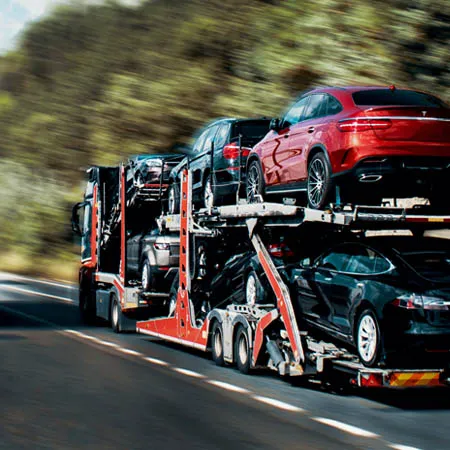
Open car transport uses an open trailer and is a widely used option for everyday vehicles. It can be suitable for sedans, SUVs, pickup trucks, and many other standard vehicles.
Enclosed car transport places the vehicle inside a covered trailer. It may be appropriate for classic cars, collector vehicles, luxury models, or automobiles for which additional protection from road debris and weather exposure is desired.
You should also consider whether door-to-door service suits your locations and whether you need transportation across state lines. These service choices can affect scheduling, availability, and the final cost.
Step 3: Schedule Pickup
After reviewing the available details and confirming the arrangements, you can coordinate a pickup window. Share accurate contact information and make sure someone can communicate with the transport provider if plans change.
Pickup locations sometimes have restrictions. Narrow residential streets, low branches, parking limitations, or local regulations may prevent a large carrier from reaching a specific driveway. In such cases, a nearby accessible meeting point may be necessary.
Confirm the expected pickup arrangements before the scheduled date so you can avoid unnecessary delays.
Step 4: Prepare Your Vehicle
Before pickup, remove personal belongings and unnecessary accessories. Keep the fuel level low but sufficient for loading and unloading, following the carrier’s instructions. Make sure the vehicle is accessible and disclose mechanical issues that could affect loading.
Clean the exterior enough to make existing scratches, dents, and other visible marks easy to identify. Take dated photographs from several angles before the vehicle is handed over.
You should also remove loose items from the cabin, secure or remove detachable accessories, and check whether your vehicle’s alarm needs to be disabled during transportation.
Step 5: Inspect the Vehicle at Pickup
A vehicle condition report, often called a bill of lading or inspection report, may document the vehicle’s condition at pickup. Review it carefully and make sure visible damage is recorded accurately.
Keep a copy of the paperwork and any photographs you took. Ask the responsible transport provider how to report discrepancies and what documentation is required if damage is discovered at delivery.
Step 6: Track the Transport Arrangement
Transit times vary according to distance, route, weather, traffic, carrier availability, and pickup or delivery conditions. Ask for an estimated delivery window and how updates will be communicated.
An estimated delivery date is not necessarily a guaranteed arrival time. Stay reachable during the delivery window and inform the provider promptly if your contact details or availability change.
Step 7: Inspect Your Vehicle at Delivery
When your vehicle arrives, inspect it carefully before completing the delivery paperwork. Compare its condition with the original inspection report and your photographs. If you notice new damage, document it clearly and notify the driver and responsible transport provider immediately.
Follow the instructions in your transport agreement regarding written notation, photographs, claim deadlines, and supporting documents. Retain copies of all relevant paperwork.
What Affects the Cost of Car Shipping?
Several factors influence a vehicle shipping quote:
Distance and route demand.
Vehicle dimensions, weight, and operating condition.
Open or enclosed transport selection.
Pickup and delivery accessibility.
Time of year and requested scheduling.
Available carrier capacity and service requirements.
The lowest quote is not always the most suitable choice. Compare the services included, cancellation terms, expected scheduling, and applicable insurance or cargo coverage details.
Conclusion
Car shipping becomes easier to manage when you understand each stage, select an appropriate transport method, prepare your vehicle, and document its condition. CanyonPath Car Transport offers information about open, enclosed, door-to-door, and state-to-state auto transport options.
Contact CanyonPath Car Transport to discuss your route, vehicle, preferred dates, and transportation needs.