
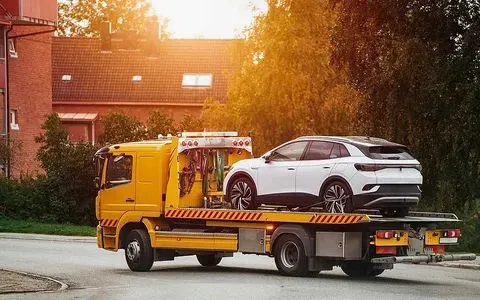
When arranging car shipping, one of the most important decisions is choosing between open and enclosed transport. Both methods move vehicles using specialized carriers, but they offer different levels of exposure, capacity, and cost.
The best choice depends on your vehicle, budget, route, and preferences. CanyonPath Car Transport helps customers explore both options when arranging vehicle transportation from Alpharetta, Georgia, or between states.
What Is Open Car Transport?
Open car transport uses a trailer without fully enclosed sides and a roof. Vehicles are secured to the carrier for transportation and remain exposed to normal outdoor conditions during the trip.
This method is widely used for standard passenger vehicles, including sedans, hatchbacks, SUVs, and many pickup trucks. Because open carriers can transport multiple vehicles at once, open shipping is often a cost-effective option.
Benefits of Open Transport
Cost considerations: Open transport is commonly less expensive than enclosed shipping, although actual prices depend on the route, vehicle, timing, and availability.
Broad availability: Open carriers are commonly used on popular vehicle shipping routes, which may offer more scheduling options.
Everyday vehicle suitability: For many regularly driven cars, open transport provides a practical balance between cost and convenience.
Things to Consider
Because the trailer is open, vehicles may encounter rain, dust, road grime, and ordinary outdoor exposure. This does not automatically make open transport unsuitable, but customers who prefer a covered environment may want to explore enclosed shipping.
What Is Enclosed Car Transport?
Enclosed car transport places vehicles inside a covered trailer. The enclosed environment helps shield the vehicle from direct weather exposure and road debris during transit.
This option is frequently considered for classic cars, collector vehicles, high-value automobiles, restored vehicles, and cars with delicate finishes. Availability can vary by route and carrier, so planning ahead is useful.
Benefits of Enclosed Transport
Additional environmental protection: The covered trailer helps limit exposure to weather and road debris compared with an open carrier.
Suitable for special vehicles: Owners of collectible, restored, or specialty vehicles may prefer the added protection and handling arrangements available through enclosed transport.
Greater peace of mind for some owners: For vehicles with significant financial or sentimental value, a covered transport environment may be worth considering.
Things to Consider
Enclosed transport generally costs more than open transport and may have more limited availability. Trailer capacity, vehicle dimensions, loading requirements, and route options can affect the quote and scheduling.
Do not assume that enclosed transport automatically includes a particular insurance limit or a guaranteed service level. Confirm the specific carrier arrangements, cargo coverage, deductibles, exclusions, and claims process before booking.
Open vs. Enclosed Transport: Key Differences
Feature Open Transport Enclosed Transport
Trailer type Open carrier Covered carrier
Weather exposure Vehicle is exposed to outdoor conditions Helps shield the vehicle from direct weather exposure
Typical cost Often more economical Generally more expensive
Common use Everyday vehicles Classic, collectible, luxury, or specialty vehicles
Availability Often widely available May be more limited
Best deciding factors Budget, route, vehicle needs Protection preference, vehicle value, special requirements
These are general differences. The exact service depends on the carrier and the terms of the transport arrangement.
Which Option Is Better for Everyday Cars?
For many standard vehicles used for daily transportation, open car shipping is a reasonable option. It is commonly used and can offer an economical way to move a vehicle across a city, region, or state.
Before choosing, consider the vehicle’s condition, the shipping distance, your budget, and your comfort with outdoor exposure. If the vehicle has a delicate finish or other special requirements, ask whether enclosed transport is available.
Which Option Is Better for Classic or Luxury Cars?
Owners of classic, restored, collectible, and luxury vehicles may prefer enclosed transport because the covered trailer helps reduce exposure to the elements and road debris.
However, the vehicle’s value alone does not determine the best option. Consider its condition, transport distance, loading needs, and the terms of the available service. Discuss special requirements before booking, and confirm the coverage details that apply to your specific shipment.
Questions to Ask Before Booking
Before making a decision, ask the transport provider:
What type of trailer will be used?
What pickup and delivery window should I expect?
What insurance or cargo coverage applies?
What exclusions, deductibles, or claim requirements apply?
Are there additional charges for my vehicle or route?
Can the carrier accommodate the pickup and delivery locations?
What paperwork should I keep at pickup and delivery?
Clear answers help you compare quotes based on more than price alone.
Conclusion
Open transport is often a practical option for everyday vehicles and budget-conscious shipments. Enclosed transport may be preferable when additional protection from weather and road debris is a priority.
CanyonPath Car Transport offers open and enclosed car transport options alongside door-to-door and state-to-state services. Contact us to discuss your vehicle and determine which arrangement best fits your shipping requirements.